




HEALTH & WELLNESS

TRENDING


SIGN UP and Start Receiving
Our Monthly Newsletter,
The Chronicles
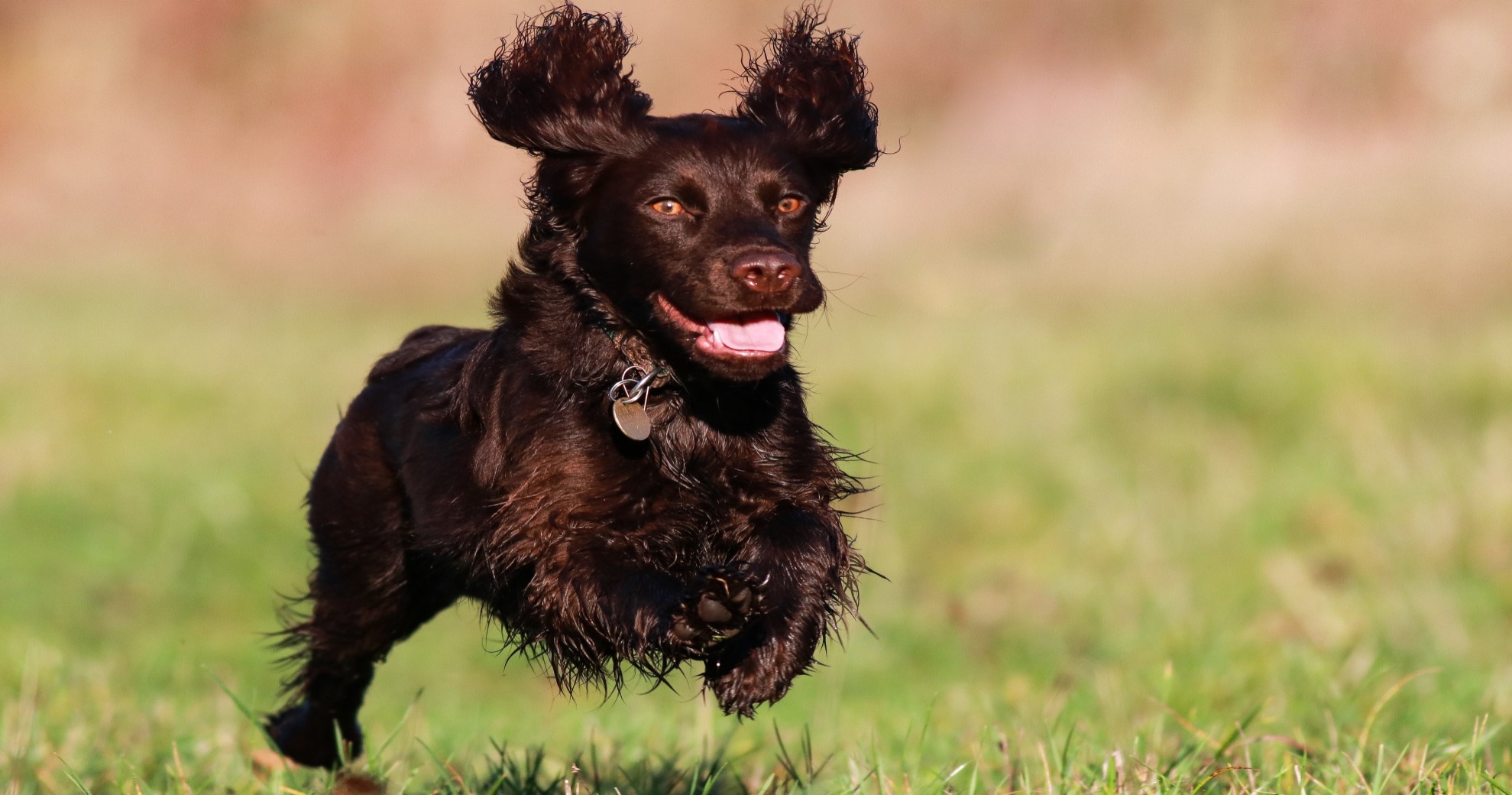
Kidney disease is one of the more common health problems seen in dogs, particularly as they age. Early signs can be subtle, so educating owners about prevention and early detection can make a significant difference.
Here are some important kidney-related issues dog owners should know about:
1. Chronic Kidney Disease (CKD)
This is the most common kidney condition in older dogs. It develops gradually and is irreversible, but early diagnosis and treatment can slow its progression.
Signs to watch for:
• Increased thirst and urination
• Weight loss
• Reduced appetite
• Vomiting
• Bad breath (often with a chemical or ammonia-like smell)
• Lethargy
• Poor coat condition
Owner tip: Annual (or twice-yearly for senior dogs) veterinary check-ups with blood and urine tests can help detect kidney disease before obvious signs develop.
2. Acute Kidney Injury (AKI)
Acute kidney injury develops suddenly and is considered an emergency. Prompt veterinary treatment can sometimes reverse the damage.
Common causes include:
• Ingesting toxins (e.g. antifreeze, grapes, raisins, lilies, certain medications)
• Severe dehydration
• Heatstroke
• Serious infections
• Urinary obstruction
Signs include:
• Sudden vomiting
• Loss of appetite
• Weakness
• Little or no urine production
• Collapse
3. Toxins That Can Damage the Kidneys
Many everyday items can be dangerous.
Some common kidney toxins include:
• Grapes and raisins
• Antifreeze (ethylene glycol)
• Certain human pain medications such as Ibuprofen and Naproxen
• Some lilies (especially dangerous to cats, but certain species may also affect dogs)
• Vitamin D rodenticides
4. Kidney Stones
Some dogs develop stones within the kidneys or urinary tract, which can cause pain, infection, or urinary blockage.
Possible signs:
• Blood in the urine
• Difficulty urinating
• Frequent urination
• Pain when urinating
5. Kidney Infections
Bacterial infections can spread to the kidneys and require prompt treatment.
Signs may include:
• Fever
• Increased drinking and urination
• Pain over the kidneys
• Lethargy
• Poor appetite
6. High Blood Pressure
Kidney disease and high blood pressure often occur together. High blood pressure can further damage the kidneys and may also affect the eyes, brain, and heart.
7. Breed Predispositions
Some breeds have a higher risk of inherited kidney disease, including:
• Bull Terrier
• English Cocker Spaniel
• Shih Tzu
• Soft Coated Wheaten Terrier
• Dobermann
Owners of these breeds should discuss appropriate screening with their veterinarian.
Tips for Keeping Your Dog’s Kidneys Healthy
• Ensure your dog always has access to fresh, clean water.
• Feed a balanced, high-quality diet appropriate for your dog’s age and health.
• Keep toxic foods, chemicals, and medications safely out of reach.
• Never give human medications unless prescribed by a veterinarian.
• Schedule regular veterinary wellness exams, especially for dogs over seven years of age.
• Seek veterinary care promptly if your dog starts drinking or urinating more than usual.
Related Article
The Role of Nutrition in Kidney Health Read Now


