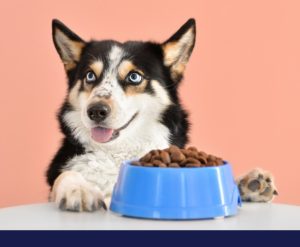





Ensuring proper nutrition for your dog is crucial for their overall health and well-being. Here are some tips to help you provide the best nutrition for your furry friend. […]

As they get older the dietary needs of adult, mature, and senior cats change. As such, it is critical to obtain information on the optimal daily feeding quantities required to keep them healthy. […]

Since the earliest human-pet interactions, caring owners have known that the healthier the diet the better the cat or dog looks with a shinier coat, brighter eyes, and cleaner teeth. But what exactly is a healthy diet? […]

Although it is more common for dogs to lose weight, some dogs need to gain weight to achieve a healthy body condition. […]

Kibble, in a nutshell, is ground up ingredients shaped into pellets. […]

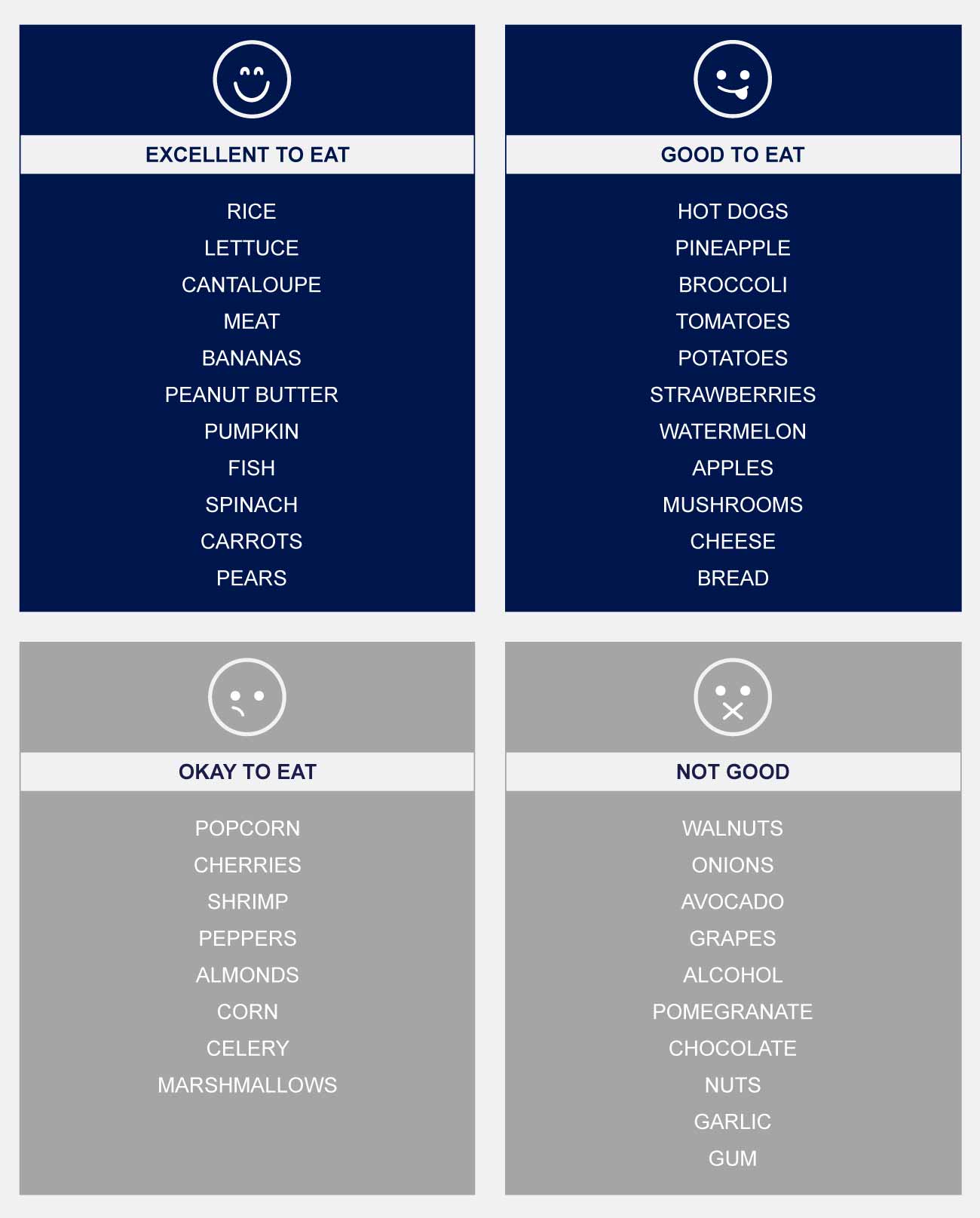
A guide to human foods that you should avoid feeding Fido […]
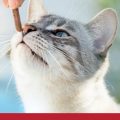
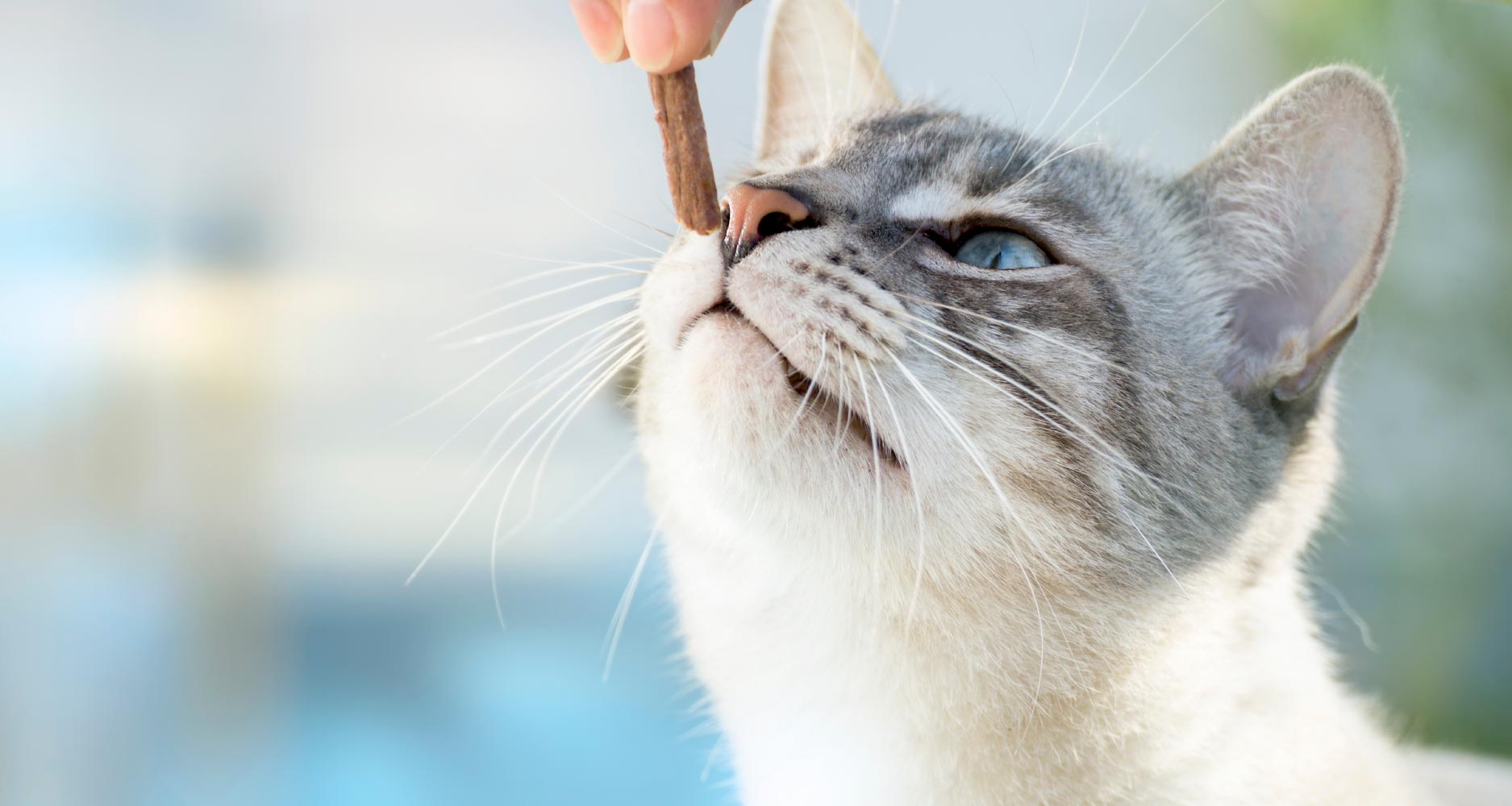
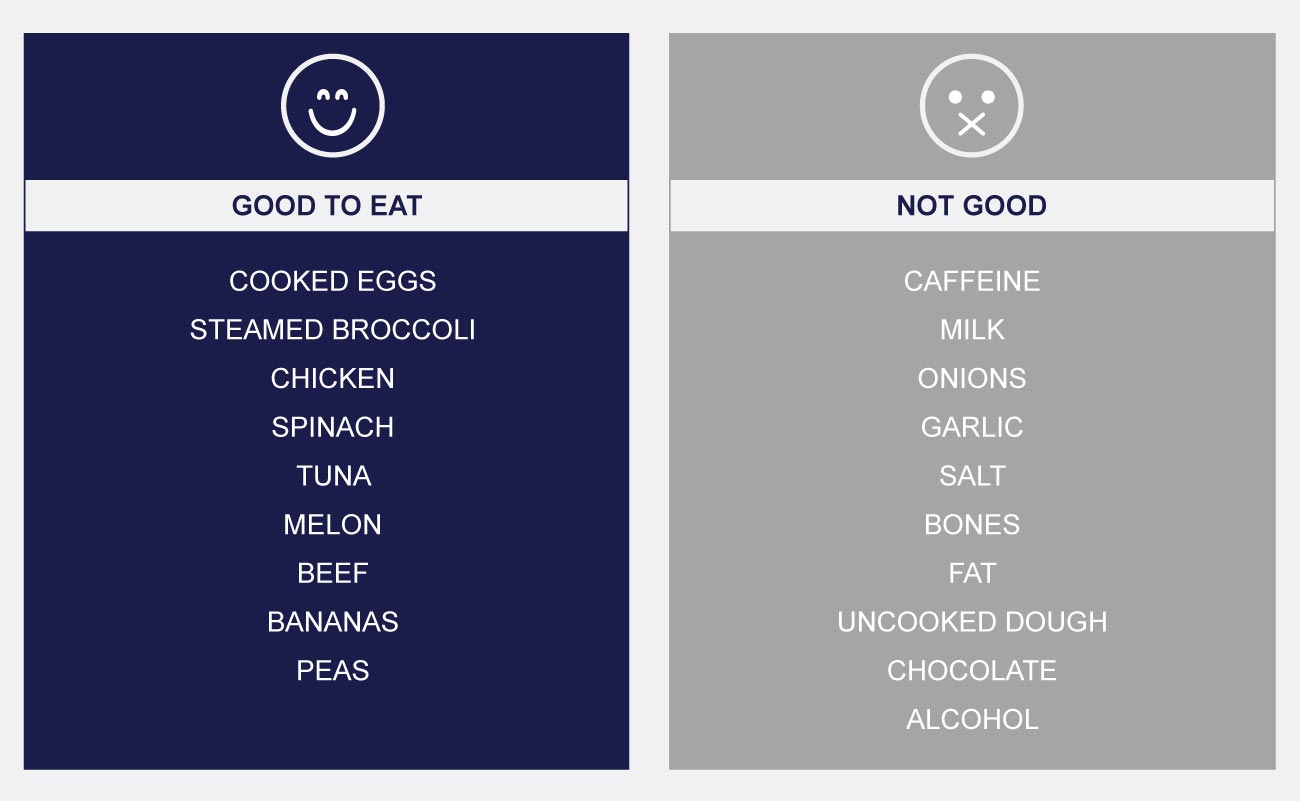
A guide to human foods that you should avoid feeding Fluffy […]
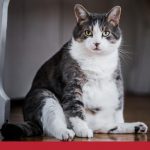
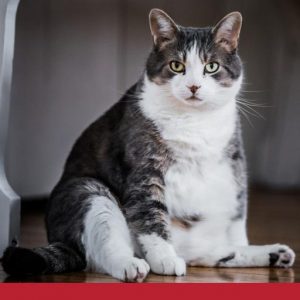
The number of overweight cats is increasing and this is leading to an increase in illnesses. Life expectancy decreases as health risks such as the following rise: Sugar diabetes, Lameness and arthritis, Liver disease (life-threatening), Increased surgical and anaesthetic risk […]

When dogs are classified as excessively overweight, or obese, it means they have much more body fat than a normal, healthy dog. Dogs that eat too much (or are overweight for other reasons) struggle to exercise, which only makes the problem […]
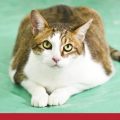
Overweight and obese cats have shorter lives compared to cats that maintain their ideal body weight. Additional weight also comes with health risks. Possible diseases and conditions that overweight and obese cats tend to suffer from include […]

The most obvious place to start is reducing your dog’s calorie intake to less than he can burn daily. However, it’s easier said than done.

Dogs have different dietary and nutritional requirements at different life stages. Senior dogs often have very specific needs that have to be met to promote quality of life and even life expectancy. Sometimes it’s challenging to feed them, but often small changes can improve […]
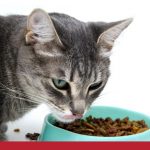
The kidneys have many functions. Two of the major functions include removing waste products from the blood and conserving water in the body. With kidney disease the kidney function declines and toxic waste products like urea and phosphorous begin to build up in the body. […]
With treatment and careful management, cats with Chronic Kidney Disease (CKD) can have a good quality of life. […]
Several studies have shown that dietary management plays a key role in cats with chronic kidney disease (CKD) which is a common and unfortunately incurable condition. CKD is actually more than just a common progressive condition, it is a leading cause of death in cats, often due to the complications it causes. […]


TRENDING


SIGN UP and Start Receiving
Our Monthly Newsletter,
The Chronicles
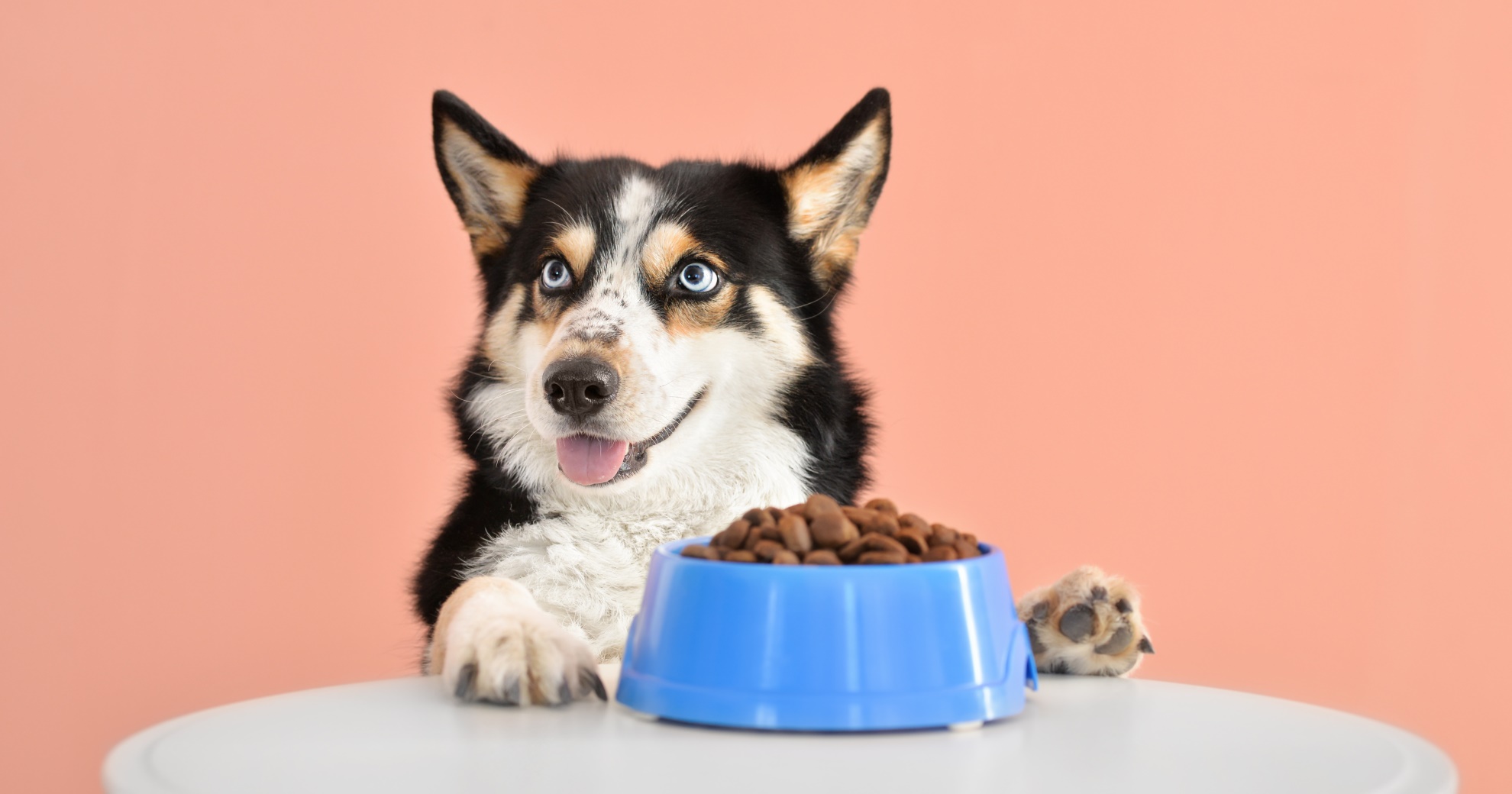
By following these tips, you can help ensure your dog maintains a healthy and balanced diet, leading to a long, happy, and active life.
Related Article





HEALTH & WELLNESS
TRENDING
SIGN UP and Start Receiving
Our Monthly Newsletter,
The Chronicles
Background
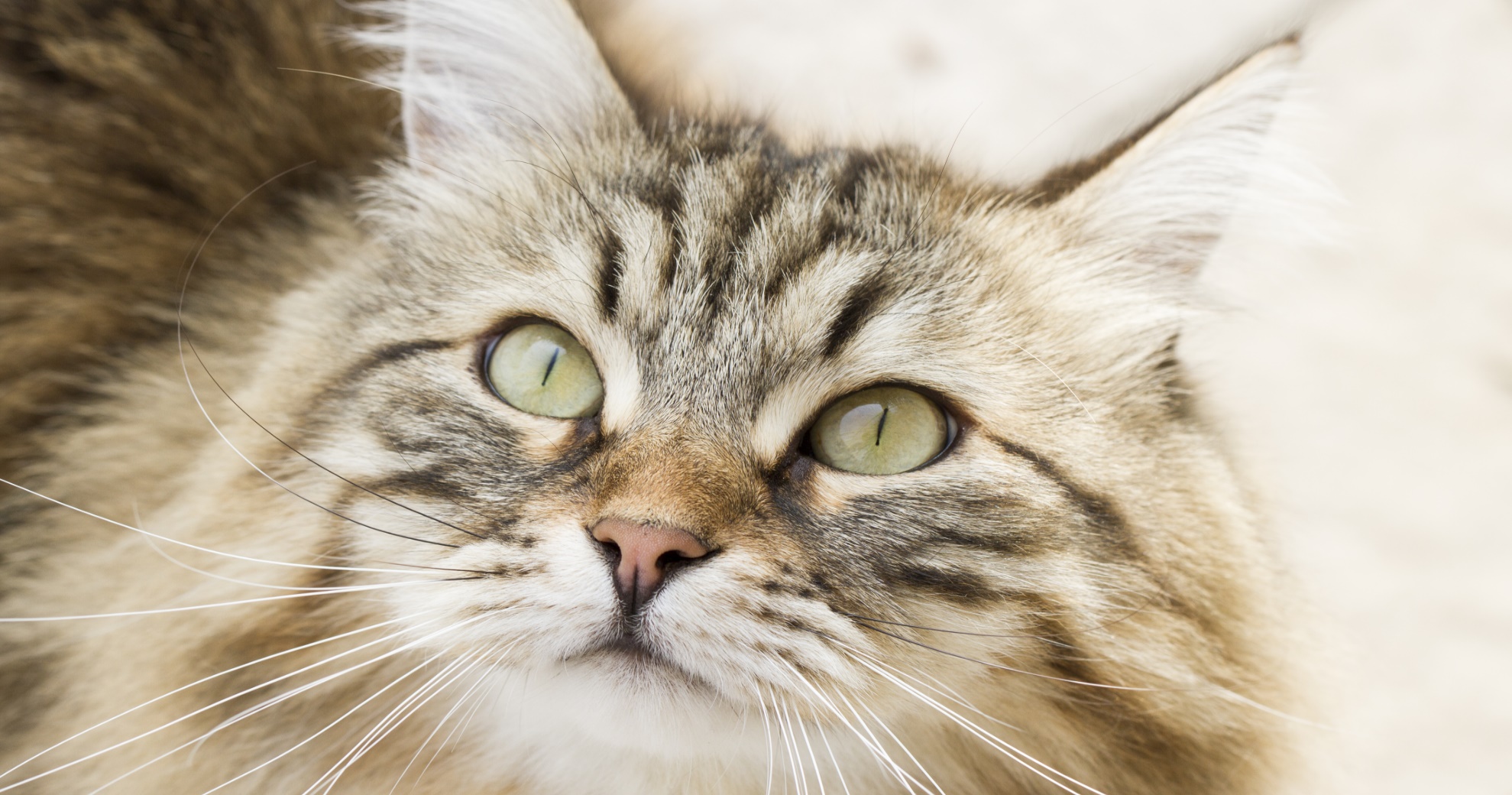
A 7–10-year-old mature adult cat’s daily energy requirement (DER) could be equivalent to its resting energy requirement (RER), although adjustments should be made based on each individual’s needs. For senior cats of 10 + years old, the RER must be increased by 10–20%, and sometimes by up to 25%. Older cats’ digestive capabilities are likely to be reduced, leading to their body condition score (BCS) decreasing and thereby increasing their required caloric intake.
Health issues
Senior cats often suffer from weight loss and this tendency should be managed through prescription or therapeutic diets. For numerous reasons e.g., obesity, chronic kidney disease, osteoarthritis, chronic enteropathies, hyperthyroidism, etc., special diets may more often be recommended for cats in the later stages of life. If a new diet is indicated, presenting the unfamiliar food in a different container next to the old one (this is preferable to taking away the food they are used to and exchanging it with the new) will allow your cat to move to the healthier meal without anxiety. To avoid stress-related negative food associations such major changes should take place at home rather than at the vet or dietitian’s practice.
Recommendations
The experts don’t always agree on what constitutes the ideal protein levels in a mature adult cat’s diet. One published study concluded that as cats age they should actually enjoy higher amounts of dietary protein to maintain lean muscle mass. This means that healthy adult, mature, and senior cats should not have their dietary protein restricted. A diet with a moderate protein content of 30–45% dry matter is recommended. This does not apply if your cat has chronic kidney disease in which case, your tabby may be better off with a prescription diet, which has lower phosphorous levels and less but higher quality protein.
Supplementary nutrition
The diet of cats with health problems should also contain supplemental ingredients to promote healthy bodily functions and metabolism. The effect of antioxidants e.g., in limiting the progress of renal disease, is still being widely researched. One study program demonstrated that protein supplemented with fish oil, amino acids, L-carnitine, and antioxidants in their diets could benefit senior cats in the early stages of renal failure. Studies to formulate firm guidelines on this approach are ongoing.
Hydration
Of equal, or even greater importance, is ensuring that your cat is properly hydrated at all times. Surprisingly, cats are sometimes picky regarding their drinking preferences. Such quirks should be noted by you, the owner, or the health practitioner providing advice or therapy.
Factors to consider include the water’s taste, freshness, and movement e.g., being supplied by a mini waterfall, fountain, drip pipe, or having air bubbles from an aerator in the water container. These features attract a cat’s attention which encourages them to drink. Oddly, even the shape of their bowl can have an effect. Notably, some cats dislike anything e.g., the sides of the container, touching their whiskers (vibrissae). For them, a larger open-profile water bowl is desirable. Diets with a higher water content, e.g., canned foods, could also help boost hydration. Just as with feeding, changes in their drinking environment should be managed to allow your cat to choose what suits it best. Regular cleaning of the food and water bowls is, of course, essential.
By applying this information and sound veterinary advice our, aging moggies will remain healthful and long enjoy their golden years.
Related Articles


TRENDING
SIGN UP and Start Receiving
Our Monthly Newsletter,
The Chronicles

A general rule of thumb is that a proper nutrition plan for any animal (including humans) should supply all the necessary vitamins, minerals, micronutrients, and macronutrients in proportion to size, age, and lifestyle. Younger growing active pets need more nutrients than fully mature sedentary ones. This means counting the calories and other content to ensure the optimal combination, in doing so owners have taken different approaches to reach the holy grail of perfectly balanced feeding.
ANCESTRAL DIET
Some take the view that a hunting-style diet is what cats and dogs have evolved to consume. Since dogs (Canis lupus familiaris) evolved from wolves (Canis lupus lupus) and were the first animal to be domesticated 13,000-14,000 years ago, their similarity to wolves is taken for granted. As such, some natural dog foods are based on a high protein content, which would be ideal for wolves. Of course, the other canids such as jackals and coyotes with their different nutritional strategies have also left their dietary pawprints on the genetics of the modern dog. Interestingly, foxes do not feature in the lineage of domestic dogs since they belong to the genus Vulpes.
In addition, the domestication of dogs has modified many of their social behaviors and changed the types of foods they can healthily consume. Among these adaptations is the increased ability to digest starch. In experiments where they were given their choice of foodstuffs, domestic dogs would get about 30% of their metabolizable energy (ME) requirements from protein, 63% from fat, and a substantial 7% from carbs compared to the 1% for wolves. In comparison, a cat would choose 52% of its ME to come from protein 36% from fat and 12 % from carbs.
As attested by cat remains found in Cyprus dated to about 6,000 years ago, felines were domesticated later than dogs. As such, their adaptation to a domesticized diet is less advanced. This conclusion is supported by the strange paradox that while cats efficiently digest carbs, they have a limited capacity for them. Put simply, they make a little carbohydrate go a long way. Cats have a short gut, so too much starch or sugars and they’ll suffer from flatulence, loose stools, and other gastric discomforts.
RAW DIET
Because unprocessed foods contain more bioactive compounds, it’s assumed that a raw meat-based diet is better for your cat or dog. Knowing that the ancestral hunting diet entailed consuming the whole prey including the guts and their vegetable contents, it’s easy to see why muscle-based raw food doesn’t have a high enough vitamin and mineral content.
There is a strong trend to include whole ingredients in natural pet foods. This has increased the inclusion of raw animal protein rather than processed animal protein products because these are often nutritionally variable.
Natural pet foods are produced without artificial colorants, flavorings, or other additives, and contain fresh ingredients. Diets rich in such foods can reduce digestive disorders and allergies and supply your pet with all the nutrients essential to their well-being.
Low carbs and high protein are indicators of a quality food source for your pet. The first ingredient listed should be meat and avoid foods that contain fillers, artificial ingredients, sugars, or preservatives.
ONGOING NUTRITIONAL MAINTENANCE AND YOUR PET
With a suitable nutrient profile and a meal plan in place, keeping an eye on your pet’s weight and body condition will guide you in deciding the optimal meal sizes. Also, as your pet ages and undergoes physical changes, adjusting the nutritional formulation remains important because their dietary needs change. As a wise and caring owner, you know that nutritional science can help you make the best dietary choices to enhance your pet’s quality of life.
The advice in this post is provided for informational purposes only and is not professional medical advice. To have your pet’s condition accurately diagnosed kindly see your veterinarian.
Related Article
TRENDING
SIGN UP and Start Receiving
Our Monthly Newsletter,
The Chronicles
Determine whether your dog is underweight
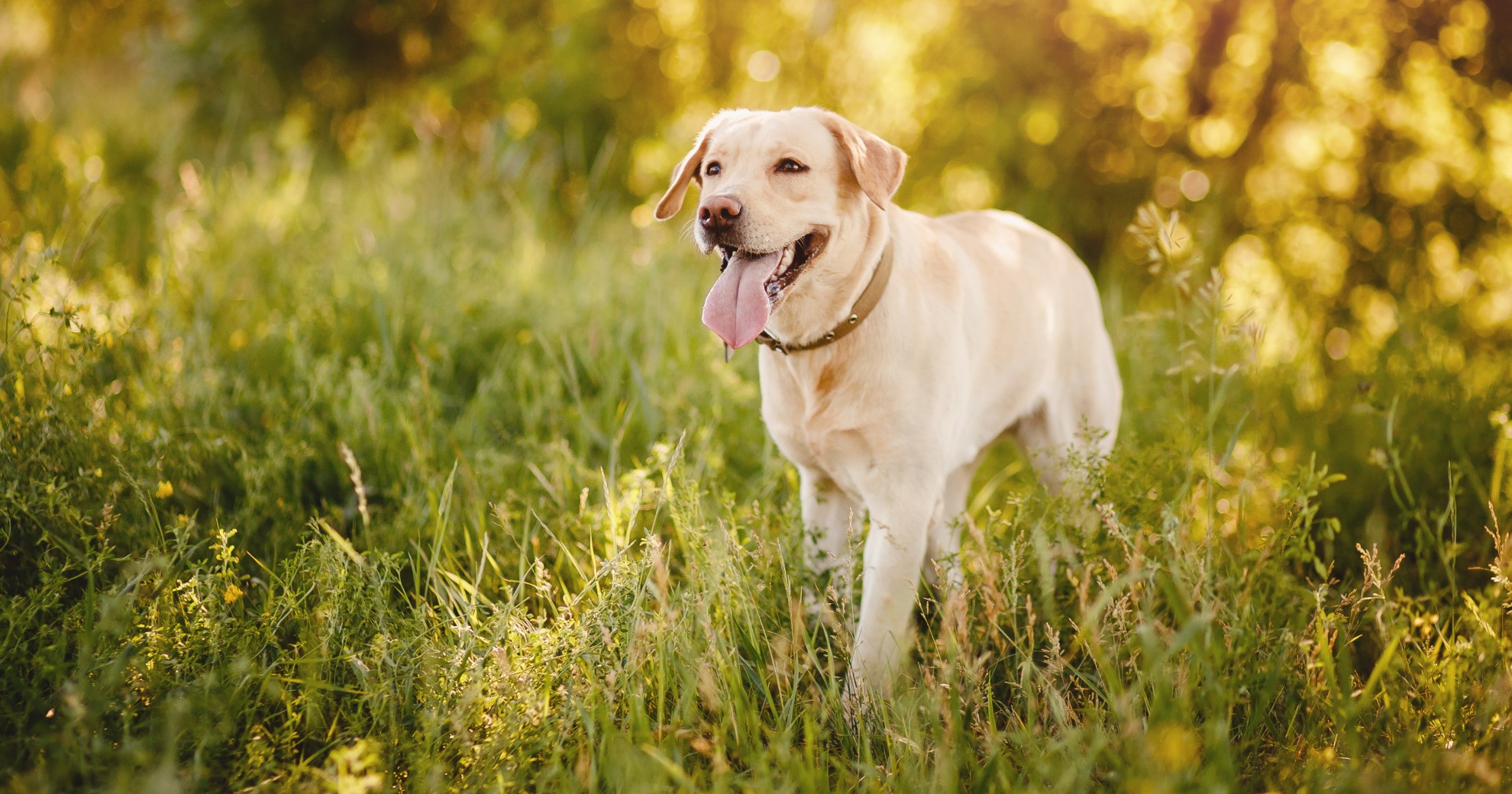
If you look at your dog from the side and can easily see their ribs or other bones, they are probably underweight. However, in some breeds, such as Greyhounds, the dog’s ribs show at a normal weight. Breeds with heavy coats need a closer look. If their hips protrude sharply, and their ribs are obvious and feel like they are covered with the thinnest layer of skin, they are probably underweight. If your dog is underweight, he will also have low energy and a dull coat.
What to feed your dog to help them gain weight
If your dog’s low weight is not due to a medical cause confirmed by your veterinarian, you can begin to help them achieve a healthy weight by first adding more calories to their diet with a weight-gain food comprising of a high energy density.
If your underweight dog is eating dry kibble, it should consist of around 30% protein and 17-20% fat. If they prefer wet food, it should consist of 7% protein and 5% fat or higher. Protein is an essential nutrient and an important source of energy. Their food should provide them with high-quality and highly-digestible protein which is easily absorbed into their body. Intermix your dog’s diet with small amounts of high-calorie supplemental canned food or products made of 100% meat sources. Fibre directly affects gut health and the quality of their stools and the right balance is very important.
Your dog should have more opportunities to eat throughout the day. Follow the feeding guidelines on the package and divide into small meals, fed throughout the day. This will protect their digestive system from unnecessary strain and put less pressure on their gastric tract, although they will still get the energy they need. You can also leave their daily food out all day (if they eat kibble) to allow them to eat whenever they are hungry, especially if they have a smaller appetite. If your dog is a fussy eater, add some wet food to their kibble to boost moisture and flavour while adding some extra calories. If they still refuse their food, you may need to switch to a different formula.
Smell and texture are most important to dogs, therefore encourage them to eat by choosing food designed for maximum palatability and the right volume and shape of pieces for the size and breed of your dog. Providing your dog with plenty of fresh water is essential for their overall health.
Your veterinarian may suggest feeding your dog more than the recommended amount on the package until he reaches a healthy weight. When this is achieved, cut back to the feeding amount recommended on the high-protein dog food package guidelines for weight gain. Ensure that your dog stays active and gets plenty of exercise.
Continue to monitor your dog’s weight with the right combination of food and feeding techniques, and speak to your veterinarian if weight loss continues. With the correct nutrition and special care, dogs can gain a healthy weight that is important for the effective functioning of vital organs, as well as supporting happiness and vitality.
Related Article
Can Dogs Eat That? Read Now
TRENDING
SIGN UP and Start Receiving
Our Monthly Newsletter,
The Chronicles
COMMERCIAL DOG FOOD
Commercial kibble (and other pet foods) might be regulated by law to meet nutritional needs, but as pet owners we should still be cautious when buying dog food.
HOW IS KIBBLE MADE?
Dry ingredients are mixed with raw, wet ingredients before being pulverised.
The dough is cooked and formed through extrusion.
Extrusion entails pushing dough through specially sized and shaped holes.
Pieces are cut and dried before being sprayed with fats, minerals, oils and vitamins.
Finally, food is packed and sealed.
Contents of Kibble
Typical ingredients include:
WHY IT’S IMPORTANT TO LOOK AT PET FOOD LABELS
Protein
Protein(s) should be listed first and ideally be of single/novel source.
Grains
While dogs can benefit from the energy grains provide, some may be sensitive to certain grains. Other dogs may need a completely grain-free diet.
Preservatives
Some owners avoid foods containing controversial preservatives (more information below). Natural preservatives include tocopherols (vitamin E), citric acid (vitamin C) and rosemary extract.
PET FOOD INGREDIENTS THAT ARE CONSIDERED UNHEALTHY
If you see any of these on the label, you may want to think twice before buying.
Carcinogens
Preservatives
Protein Extenders
Heavy Metals
Excessive Amounts of Nutrients
TIPS
Remember to always check the ‘best before’ date before buying and serving food.
If you’re struggling to figure out which foods to feed your dog, ask your veterinarian for advice.
Related Article
Can Dogs Eat That? Read Now
HEALTH & WELLNESS
TRENDING
SIGN UP and Start Receiving
Our Monthly Newsletter,
The Chronicles

HEALTH & WELLNESS
TRENDING
SIGN UP and Start Receiving
Our Monthly Newsletter,
The Chronicles
Related Articles
HEALTH & WELLNESS
TRENDING
SIGN UP and Start Receiving
Our Monthly Newsletter,
The Chronicles
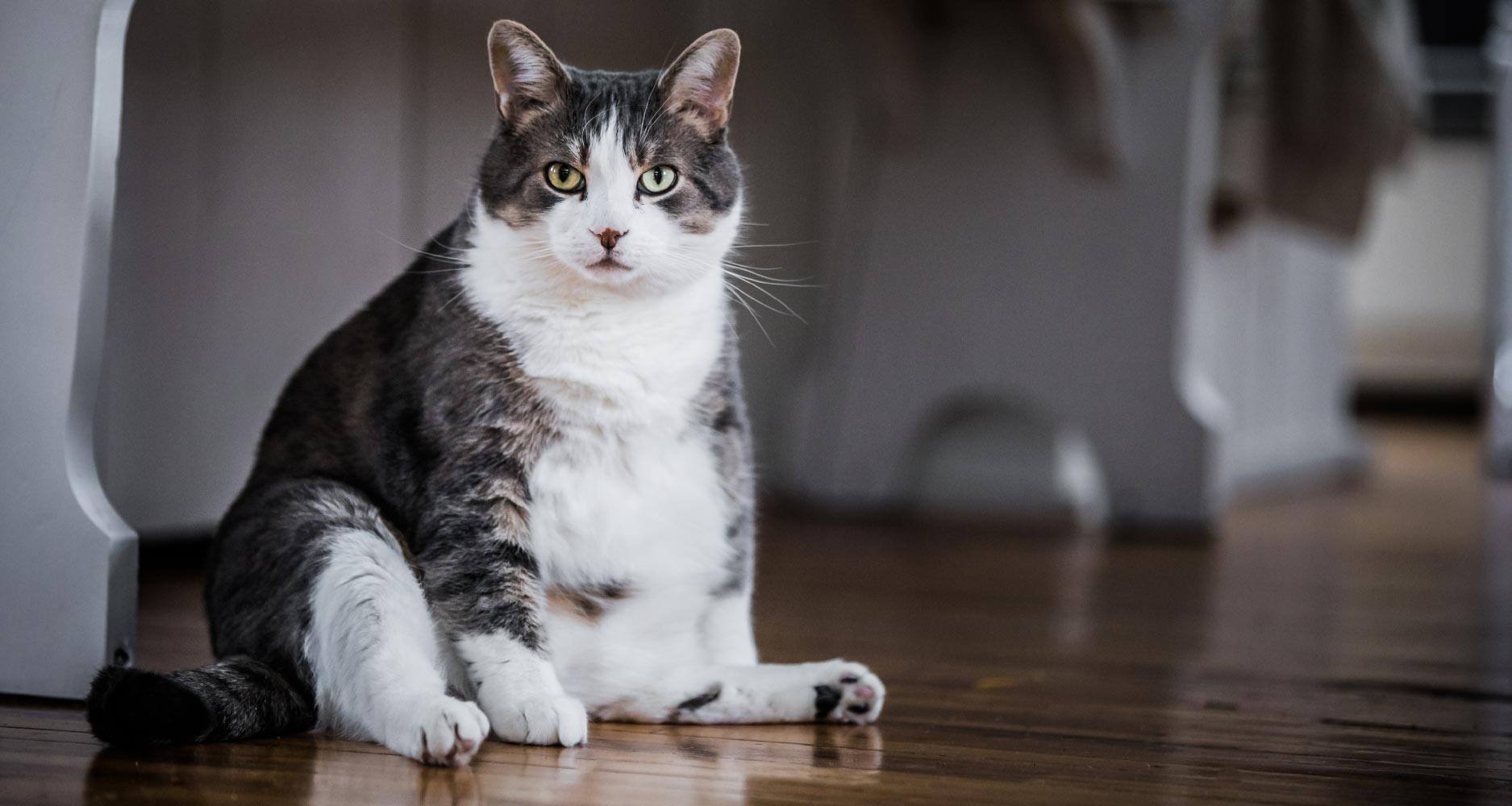
Life expectancy decreases as health risks such as the following rise:
There are a few reasons why cats become overweight and eventually obese. One obvious reason is when they eat more calories than they can burn.
Also think about wild mammals in nature. They have to physically work for their food. But cats (and other pets) have a royal time as they get food without any effort. Some cats’ bowls even stay full, just in case they get hungry or the owner isn’t there to feed them. Hunting and gathering for humans and pets have practically gone out the window. Survival, in terms of available resources, is easy.
The difference between a human’s and a domesticated cat’s diet is the fact that we control what they eat, so it’s our responsibility to manage their intake (cats that hunt and eat extra at least burn some energy).
The conclusion? Humans are the main reason cats become obese.
Other reasons include:
It is uncertain whether breed and genetic factors play a role in weight gain.
Apart from weight loss programs, some diseases need to be managed (usually with medicines).
What if your cat doesn’t eat a lot, but still picks up weight? Then it could be time for a visit to your veterinarian (and don’t wait for the yearly visit). Your vet will know which tests to run. Usually the following will be checked and documented.
If there are no alarm bells going off, then it’s probably time to discuss a weight loss plan with a professional. This process will not be easy, but it is necessary if you want to improve your cat’s health. The goal is to safely reduce your cat’s weight and help him or her maintain that healthy weight.
Related Articles
HEALTH & WELLNESS
TRENDING
SIGN UP and Start Receiving
Our Monthly Newsletter,
The Chronicles
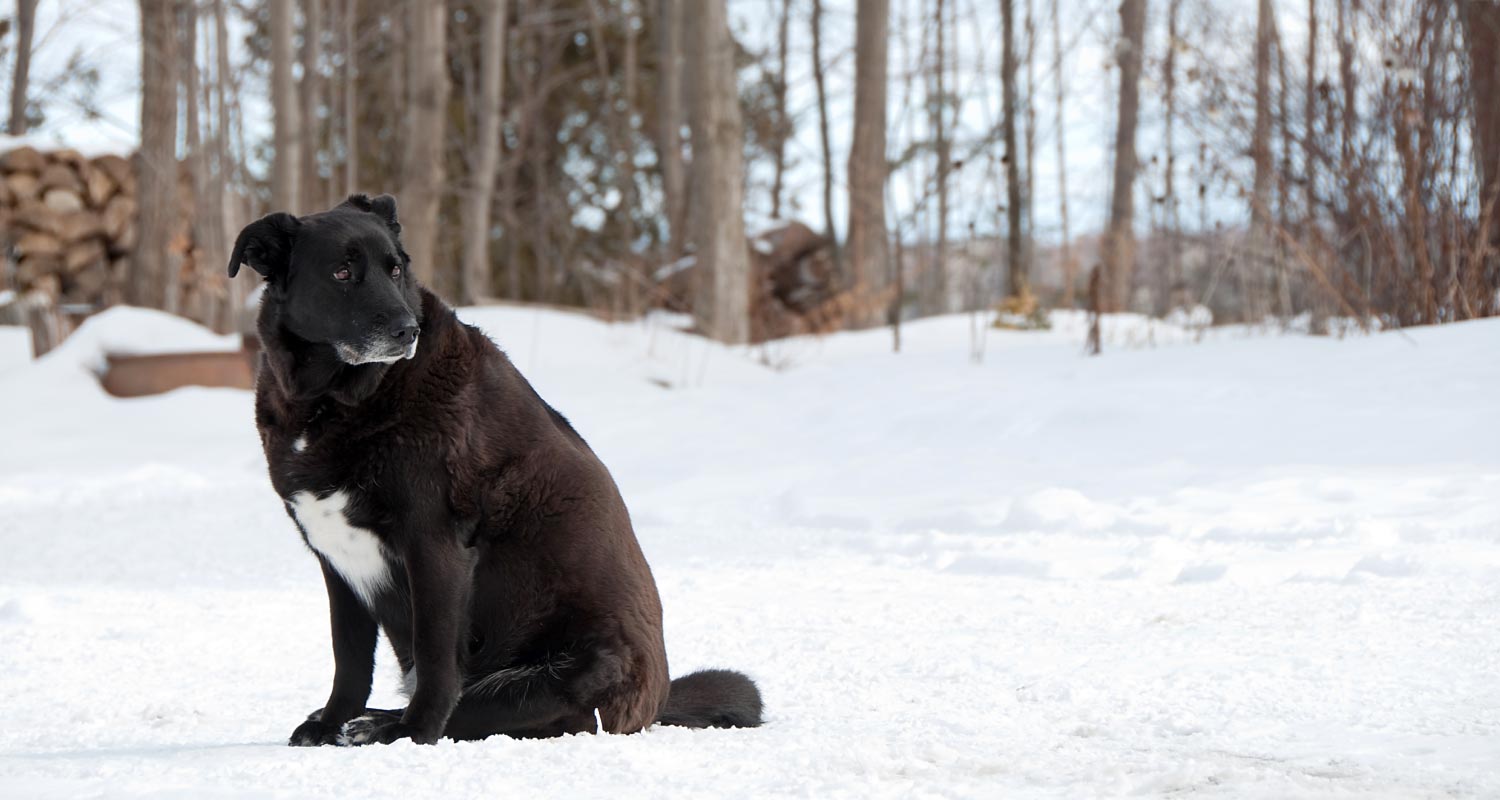
Dogs that eat too much (or are overweight for other reasons) struggle to exercise, which only makes the problem worse. If they don’t lose the weight and no lifestyle changes are made, they can easily go from overweight to obese. This means health risks increase and life expectancy decreases.
When dogs are overweight, most of the body can suffer the consequences. Their organs, especially those required for digestion and breathing, along with their bones and joints can become compromised.
WHICH DOGS ARE AT RISK?
The number of overweight and obese dogs keep rising and many people don’t realise that it can lead to life-threatening diseases such as arthritis and heart disease.
If your dog is gaining weight and excess body fat is becoming increasingly visible, it’s time to worry. With the weight gain your dog is less likely to show enthusiasm when it comes to exercise (and in worse cases might not be able to exercise).
A veterinarian should be able to determine the state of your dog’s health and confirm possible symptoms of obesity, in addition to recommending a plan of action to fight obesity.
The human body needs a certain amount of food to function optimally every day. When we eat more than we can use (or burn), the extra food is stored. If we continue this cycle, the stored food can eventually turn into extra body mass.
Dogs are the same, but they age quicker. When dogs become older, they may not be so keen to exercise anymore, yet they get fed the same amount of food.
On the other hand, a dog might be middle-aged and yet still love going for walks, so its owner thinks extra treats or an unstable diet won’t matter that much. This is a slippery slope.
But what if you’re doing everything right? Surely there’s got to be an explanation. There could be other reasons for excessive weight gain and some are truly upsetting:
Breeds differ in weight, height and other instances, but there’s a general standard vets can use when comparing your dog’s weight and average body condition. Rescue dogs with a more unique background tend to mimic some breeds so it shouldn’t be too hard to assess them.
The term obese is used when, after evaluation, a dog’s extra body fat exceeds 10 to 15 percent.
Keep in touch with your veterinary clinic and go for checkups when recommended to make sure your plan is on track. Your veterinarian will know how to properly measure and report back on progress.
When your dog returns to a healthy weight you need to keep it that way. He or she will always be prone to weight gain so be vigilant, dedicated and supportive.
Related Articles


HEALTH & WELLNESS
TRENDING
SIGN UP and Start Receiving
Our Monthly Newsletter,
The Chronicles
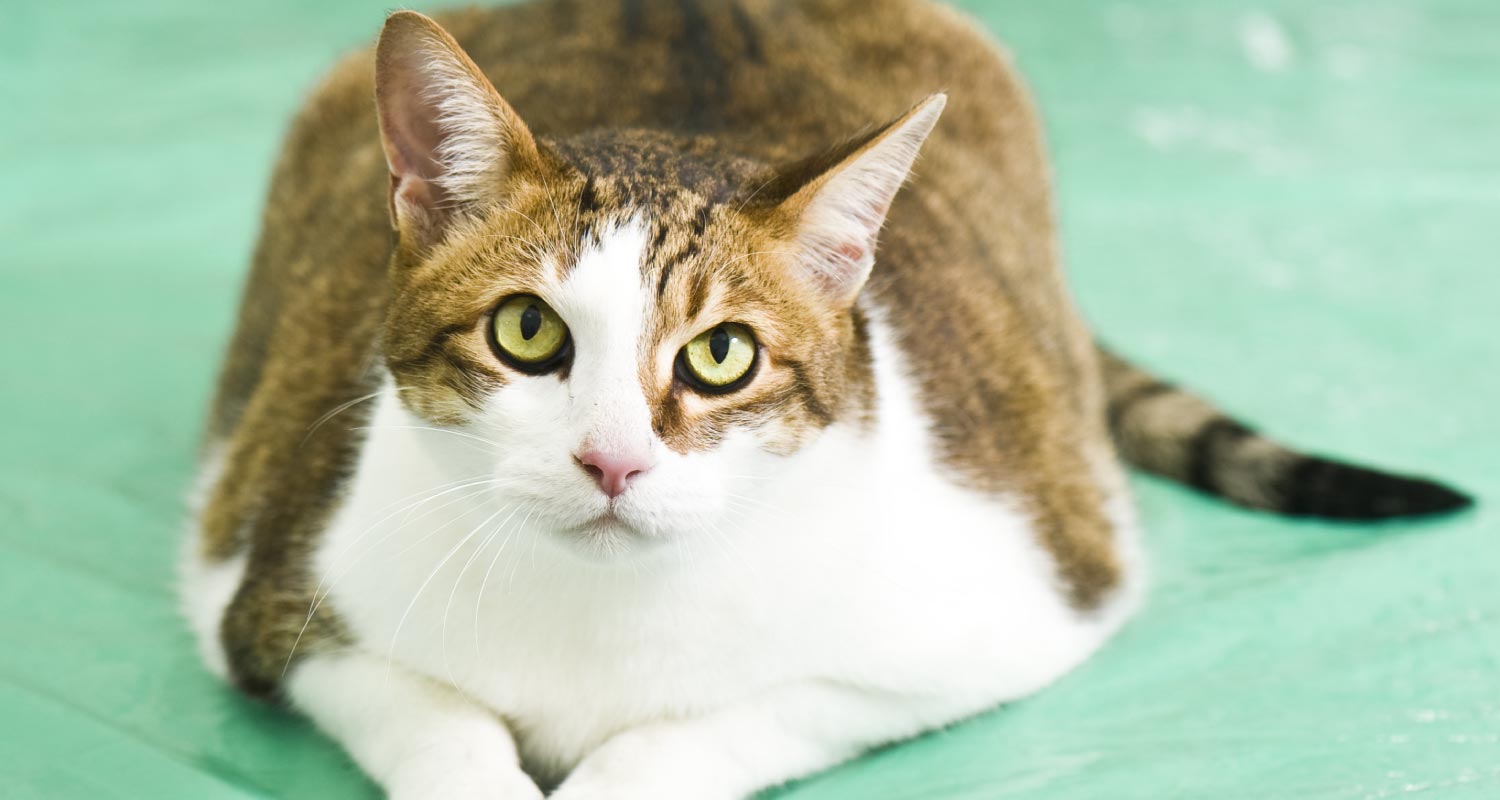
Possible diseases and conditions that overweight and obese cats tend to suffer from include:

Related Articles
HEALTH & WELLNESS
TRENDING
SIGN UP and Start Receiving
Our Monthly Newsletter,
The Chronicles
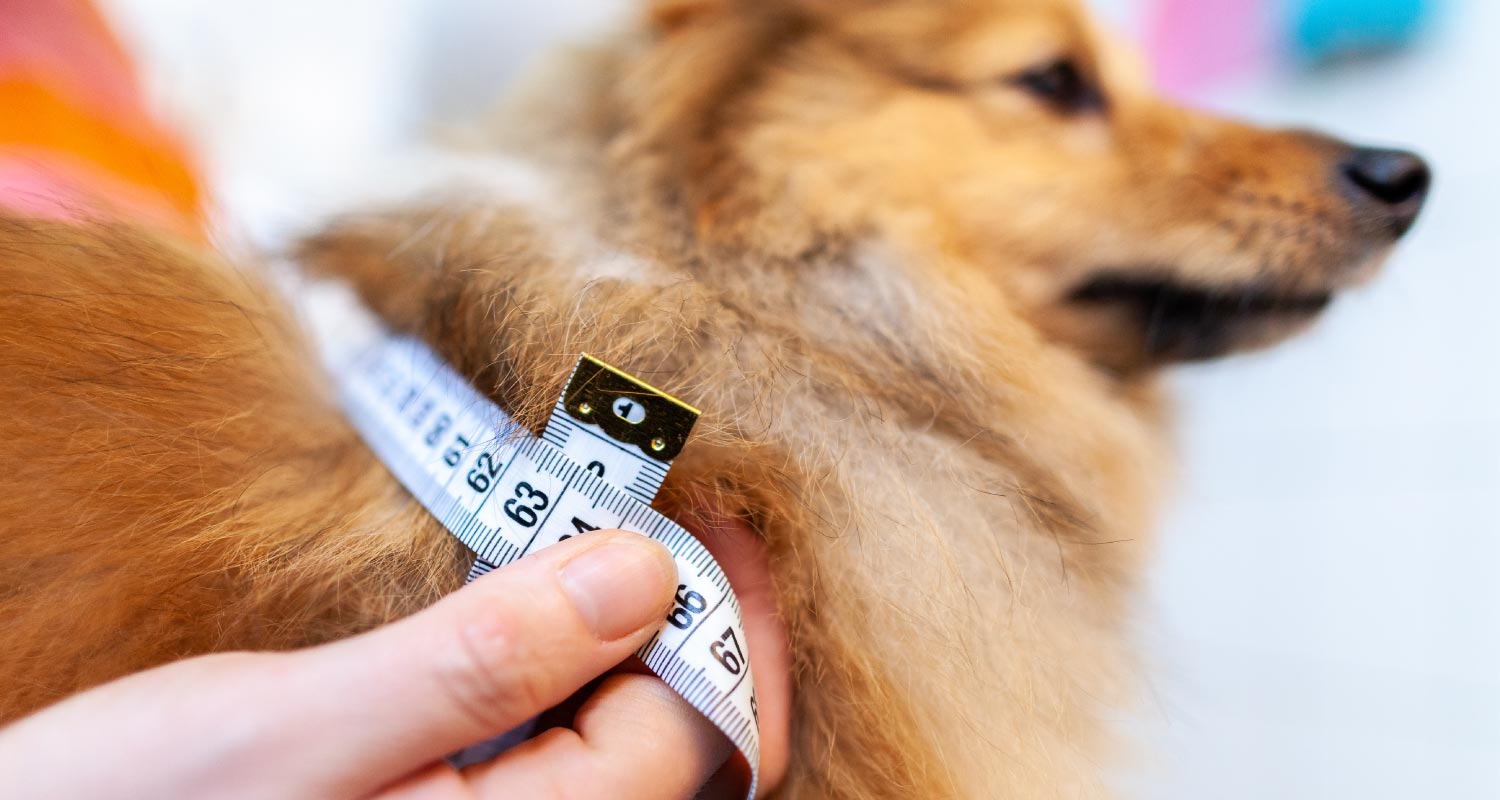
The number of overweight and obese dogs keeps rising and many people don’t realize that it can lead to life-threatening diseases such as arthritis and heart disease.
Some studies show that dogs which maintain their ideal body weight live longer and that they are also less prone to diseases.
Many owners of overweight dogs are totally in denial when it comes to their dog’s weight. A veterinarian can easily see the difference, but their advice often falls on deaf ears. The argument that ‘they’re not overfed’ is also not valid if they don’t exercise. If they don’t burn off energy, it turns into excess body weight.
The simple recipe is this: Eat less and exercise more. If your dog doesn’t suffer from a disease that causes weight gain, the solution is simple. For this advice to work you both need to make lifestyle changes. Exercising together benefits everyone, so think about the positives and make time in your schedule to help your dog achieve a healthy weight.
Step 1: Make sure there isn’t another reason your dog is gaining weight, for example, Diabetes, Cushing’s Disease or Hypothyroidism. No? Then see Step 2.
Step 2: Help your dog reach his ideal weight.
Step 3: Make sure your dog keeps the weight off.
You can use an online calculator to work out how much calories your dog should consume to start losing weight safely. Check the numbers with your veterinarian or an animal nutritionist. Details such as the dog’s age and exercise routine will play a role as well.
These numbers are not designed for weight loss. Speak to your veterinarian about a custom weight loss plan that you can understand and stick to.
Free choice feeding (always having food around) is not an option if your dog is overweight.
Take the daily intake recommended for weight loss and divide it into two or four portions and feed accordingly. Many owners’ schedules won’t allow this option, so they should consider a specifically timed automatic feeder or ask a neighbour/arrange a pet sitter to pop in for feedings.
Use the right dog food measuring cups obtained from your veterinary or reputable pet stores. Weighing food is another option.
Words such as “lite” or “diet” should NOT encourage you to blindly invest in a product. Low calorie foods might use unhealthy fillers (for example carbohydrates) that only make your dog feel full for a little while. You don’t want your dog to be hungry all the time or beg for food every chance he gets.
Simply reducing their regular food (the stuff you’ve always been giving) doesn’t always work. The calories might be less, but your dog is bound to throw a set of sad eyes your way after every meal (or worse, while you are eating).
As you can imagine, quality is important. A high protein content (above average) is essential while the fat count should be below average. The calorie count should also be below average.
The following numbers are recommended by a dog food advisor:
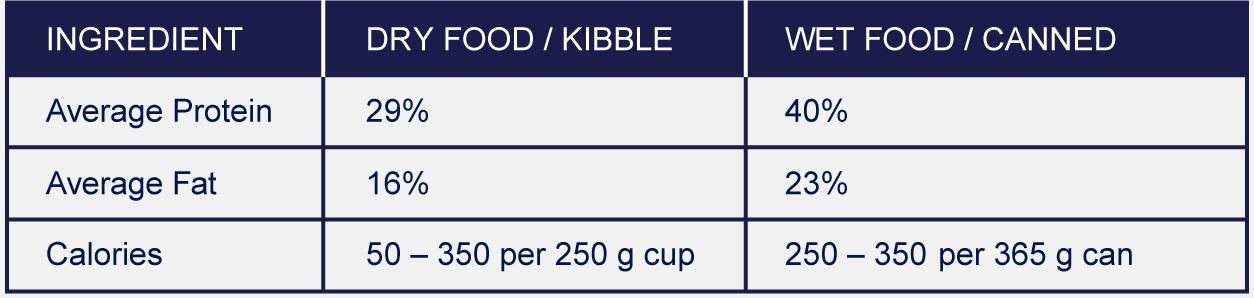
More protein = increased satisfaction and less muscle loss = less sad doggy eyes = and less guilt for you. Lower calories = more food, while also shaking off pounds.
Some people combine kibble and canned food to make it more appealing. Just make sure you get the calorie combination right. Canned food on its own isn’t a bad option either as it often has more protein, less carbs, as well as fewer calories when compared to the same recommended portion of kibble.
You can also speak to your veterinarian about combining quality dog food with home-cooked food, but this may be time-consuming.
If you don’t exercise regularly, chances are your dog doesn’t get a workout either. There are so, so many benefits for humans and many of these will apply to your dog as well. If you don’t enjoy walking, running or hiking, consider playing fetch, swimming or playing with a bat and ball in the backyard. A minimum of 30 minutes a day will really make a difference.
You won’t know how you’re doing if you’re not comparing data. Weighing weekly is important and be sure to compare the numbers with healthy weight loss (1% to 2% per week of their weight). Not happy with the results? Try to gradually reduce the calorie intake even more.
Be vigilant. There might be someone in the household sneaking any form of extra food.
Great! You may be able to offer a slight increase in food. Just don’t overdo it and don’t stop checking those numbers. Any changes should be addressed with the proper adjustments.
Related Articles
HEALTH & WELLNESS
TRENDING
SIGN UP and Start Receiving
Our Monthly Newsletter,
The Chronicles
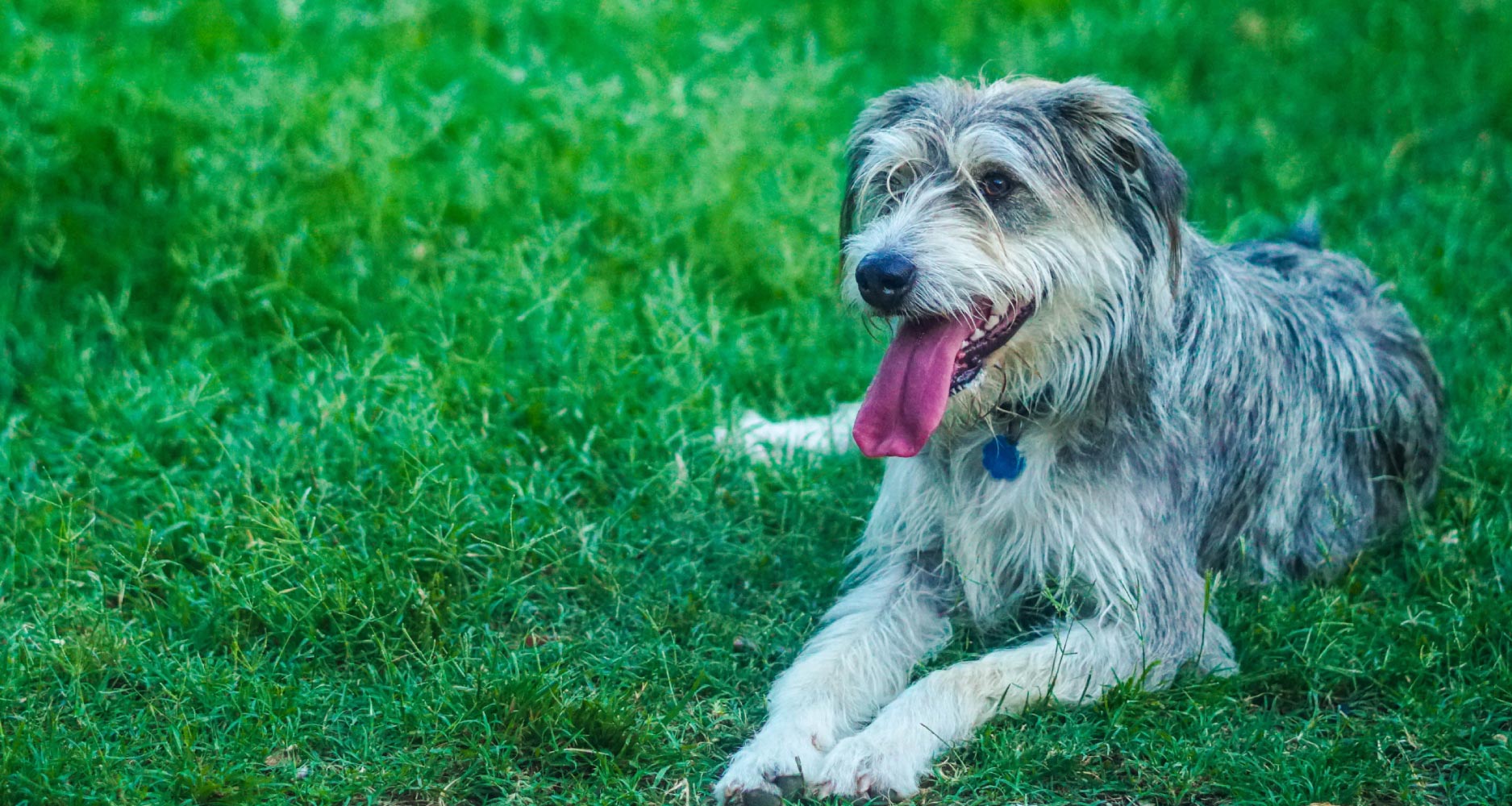
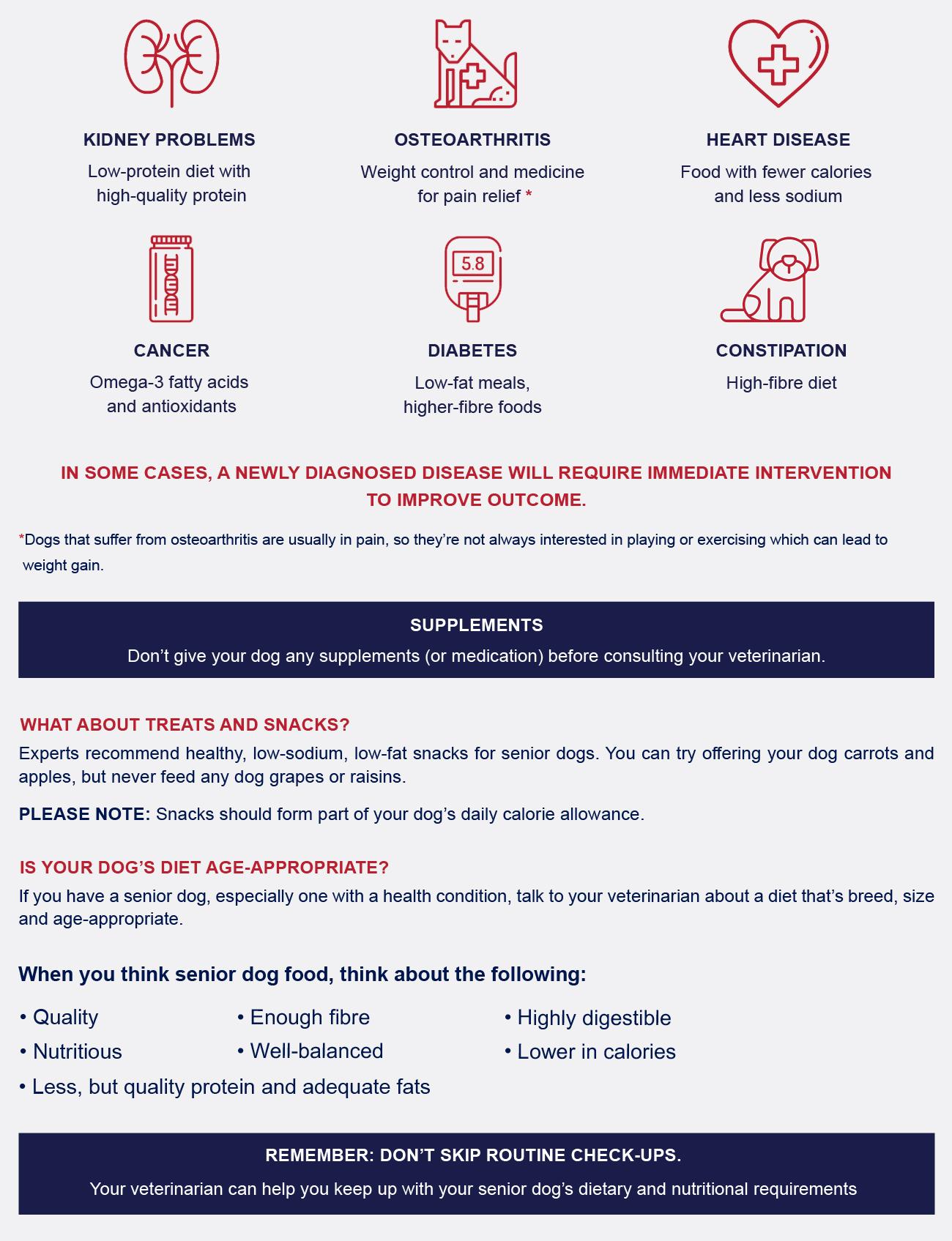
Senior dogs often have very specific needs that have to be met to promote quality of life and even life expectancy.
Sometimes it’s challenging to feed them, but often small changes can improve wellness and well-being.
HOW OLD IS A SENIOR DOG?
In general, dogs between six and ten years of age are considered ‘senior’.
Basically when they’ve reached half of their breeds’ life expectancy.
ONE SIZE DOES NOT FIT ALL
If you have more than one dog and they’re in different life stages, don’t feed them the same food. There may be multi-stage options, but each dog deserves the right food for its age.

ACTIVITY LEVELS
When dogs get older and less active, they generally need to consume fewer calories to reduce the risk of becoming obese. Obese dogs often suffer from joint problems such as osteoarthritis.
APPETITE
Some dogs will naturally eat less as they get older, but they still need food designed for their age. If they lose interest in dry food, you can make it more appealing by adding warm water or a small amount of wet food. Some dog owners also give home-cooked meals that are appropriate for dogs.
Loss of appetite could be a sign of disease so contact your veterinarian if your dog is not eating.
WATER INTAKE
With age comes certain conditions and diseases that can increase thirst or lead to dehydration. Examples include kidney problems, liver disease, diabetes, cancer and Cushing’s disease. If you’ve noticed an increase in your dog’s water consumption, discuss it with your veterinarian. Some medications can also increase thirst.
CONDITIONS AND DISEASES
When it comes to certain conditions, age is a big factor. Then again, some breeds are just more prone to illness than others. Whatever the case or cause, older dogs with health problems often need customized diets and even medication. Here are a few examples of diseases and dietary adjustments that may be recommended.
Related Articles


HEALTH & WELLNESS
TRENDING
SIGN UP and Start Receiving
Our Monthly Newsletter,
The Chronicles
VITAL FUNCTIONS OF KIDNEYS
The kidneys have a variety of important functions. These include:
KIDNEY DYSFUNCTION AND CHRONIC KIDNEY DISEASE (CKD)
Clinical signs usually present themselves when two-thirds (67% to 70%) of the kidneys are already dysfunctional. Usually damage to the kidneys occurs over a long period of time – months or years. This long-term or chronic condition results in kidney failure and often progresses to chronic kidney disease (CKD) which is mainly a problem of older cats.
With kidney disease the kidney function declines and toxic waste products like urea and phosphorous begin to build up in the body. This affects body functions and can make the cat feel nauseous and lethargic. Decreased kidney function also leads to dehydration because more water than normal is lost in the urine.
MANAGEMENT AND TREATMENT SLOWS THE PROGRESSION OF CKD
When the kidneys are damaged, they unfortunately seldom recover. However, with proper management and treatment, the condition usually progresses slowly giving your cat a number of years of good quality life.
WHAT ARE NUTRIENTS AND NUTRITION?
Nutrients are substances that provide nourishment for organisms to survive, grow and reproduce.
Nutrition is concerned with how the body uses nutrients and how it connects to diet, health and disease.
Sufficient Nutrients are Essential for Cats with Chronic Kidney Disease (CKD)
To effectively manage CKD in cats, certain issues need to be addressed:
An appropriate diet can address all of these objectives.
Special Kidney Support Diet
Special diets for cats with CKD can be prepared at home or are available ready prepared – consult your veterinarian.
A kidney support diet contains less protein, sodium, and phosphorus, and increased omega-3 fatty acids. This diet helps lower the level of waste products in the bloodstream.
There is no one-size-fits-all diet for cats with CKD, but an appropriate diet generally contains:
Insufficient protein intake can lead to dangerous weight loss. Less protein doesn’t mean no protein. It means a controlled intake of quality proteins. These are proteins that are easy to digest. Some experts may suggest a natural raw diet.
To encourage a cat with CKD to eat, try to improve the texture, aroma and taste of food.
Because sodium retention and potential high blood pressure are concerns, it is often recommended that sodium intake be restricted.
The body needs phosphorus, but it needs healthy kidneys to control the levels, otherwise kidneys will suffer damage. With CKD, kidneys struggle to regulate phosphorus levels. To control phosphorus intake, ask your veterinarian what foods are the safest options.
Signs that kidney function may have been compromised include absence of appetite, weakness and uncoordinated or uncontrolled movement. Sometimes medication that reduces the absorption of phosphate is necessary (phosphate binder), but this should be discussed with your veterinarian.
If the diet doesn’t already contain them, omega-3 fatty acids EPA and DHA can help protect the kidneys from the harmful effects of CKD.
Deficiency of potassium in the bloodstream (hypokalemia) is common in cats with CKD. This leads to muscle weakness, stiffness, and poor hair quality. Low potassium levels may also contribute to the worsening of the kidney failure. Ask your veterinarian about potassium supplementation.
Extra antioxidants, such as vitamins C and B, can reduce renal oxidative stress. When the failing kidneys are unable to concentrate the urine, these water-soluble vitamins are lost and affected cats may need daily supplementation.
IMPORTANT
Cats with CKD can easily become dehydrated. If your cat has CKD, make sure he or she always has easy access to fresh water.
Kidney support diets should provide the following:
DRUG THERAPY IN CONJUNCTION WITH DIET
Drugs address the treatment of conditions associated with CKD, such as anemia. When kidneys are weakened the production of red blood cells in the bone marrow is decreased. Many cats with CKD are anemic due to a lack of stimulation of the bone marrow. Drugs have been developed to help stimulate bone marrow production and may be prescribed by your veterinarian.


HEALTH & WELLNESS
TRENDING
SIGN UP and Start Receiving
Our Monthly Newsletter,
The Chronicles

When it comes to taking care of a cat with CKD, it’s all about addressing underlying causes, treating symptoms and managing nutrition because there is no cure. With treatment and careful management, cats with Chronic Kidney Disease (CKD) can have a good quality of life.
This article is about the nutritional needs of cats with chronic kidney disease (CKD) and a discussion of:
One of the essential functions of the kidneys is to filter the body’s waste. The body makes waste that it cannot use and adds it to blood for transport to the kidney. The kidney then filters the waste out of the blood and into urine for excretion. With CKD the system has difficulty eliminating waste which usually results in:
MANAGEMENT OF COMMON CKD SYMPTOMS TO MINIMIZE FURTHER KIDNEY DAMAGE
Although every cat is different, cats with CKD generally have a good quality of life, if these common symptoms are managed:
BENEFICIAL FOODS
Appropriate quantities of the right foods can help reduce symptoms and promote the health of cats with CKD, making them feel better and live longer.
Vet-approved cat foods with the following characteristics are often recommended:
Kidney support diets should provide the following:
Getting rid of the waste products of protein metabolism is hard work, especially for kidneys that have lost some of their function. However, cats with CKD still require protein, but less than healthy cats and it’s important that this reduced amount of protein is of a high quality. The body needs some protein to function properly and to maintain a healthy weight. Calories missing from reduced protein need to be made up elsewhere.
Taste, smell and texture provide appeal
It’s very important that cats, especially those with CKD, eat enough. So, to encourage a healthy appetite, you need to choose foods that smell and taste as good as possible. Texture can also play a role in general appeal.
Aggravating Foods
Excessive quantities of the wrong foods can aggravate or increase symptoms of CKD which can be detrimental for health, reducing quality of life and lifespan of cats with CKD.
Foods that are dry can increase dehydration. Canned foods that have a high-water content can help prevent dehydration.
Foods with hard-to-digest poor quality proteins produce more urea and phosphorous that then need to be eliminated causing the diseased kidneys to work even harder. Choose foods made from moderate amounts of high-quality protein.
Vitamins, Fats and pH Levels
Depending on your cat’s condition and test results, your veterinarian may look at other factors, such as vitamin B, calcium and fat intake as well as blood pH levels.
MONITORING AND ADAPTING TO THE DIFFERENT STAGES
There’s no one-size-fits-all diet plan that can be prescribed for all cats with CKD. Age, possible underlying causes, disease progression rate and individual signs and clinical symptoms all need to be considered when establishing a treatment plan. Plus, the condition needs to be monitored to make sure the plan is still right for the different stages of the disease. When the situation changes, the treatment plan needs to be adjusted accordingly.
MEDICAL MANAGEMENT
You can’t only rely on nutritional changes. Luckily there are effective medications for cats with CKD. The sooner treatment starts, the better. Chronic kidney disease (CKD) requires lifelong treatment and can be challenging for both the cat and its human family. Management of nutrition, hydration, lifestyle, and medical interventions can:
HEALTH & WELLNESS
TRENDING
SIGN UP and Start Receiving
Our Monthly Newsletter,
The Chronicles

CHRONIC KIDNEY DISEASE (CKD)
Chronic kidney disease (CKD) is the most common kidney disease in cats. With chronic kidney disease the kidneys are progressively and irreversibly deteriorating. In a healthy cat, waste products are filtered out of the blood by the kidneys and excreted in the urine. However, cats with kidney disease will have an accumulation of these waste products in the bloodstream as the filtering process breaks down. This condition is a leading cause of death in domestic cats and is very common in older cats and certain breeds including the Maine coon, Abyssinian, Persian, Siamese, Russian blue, and Burmese.
Unfortunately, CKD is an incurable condition; however, treatment and management of symptoms can improve and prolong the lives of cats with this disease.
TREATMENT AND MANAGEMENT GOALS FOR FELINE CKD
DIETARY MANAGEMENT IMPROVES QUALITY OF LIFE
Several studies have shown that dietary management plays a key role in cats with CKD.
Nutrition can help to improve quality of life as well as life expectancy which are the two main treatment goals. With the right nutritional adjustments, some symptoms can be managed to bring relief.
Important: Nutritional therapy does not replace medical management. For long-term successful treatment of cats with CKD, medical needs have to be met as well to improve quality of life.
NUTRITIONAL INTERVENTIONS
There’s no one-size-fits-all when it comes to nutritional therapy and various factors need attention to help cats with CKD live more comfortable lives. The physical diet needs attention, of course, but making sure that the affected cat eats enough is also essential. Once a vet-approved plan is in place, you need to monitor the reaction and adjust the diet accordingly, throughout treatment.
HOW TO MANAGE THE NUTRITION PART OF CKD
Treatment outcome can be improved with early nutritional therapy. To help manage CKD in cats, these are some of the nutrition objectives that need to be met after diagnosis:
THREE MAIN ASPECTS OF KIDNEY SUPPORT DIET
In general, a kidney support diet contains less protein, sodium and phosphorus and increased omega-3 fatty acids. There are three main aspects to dietary management:
Water Intake
Dehydration is a major sign of CKD because of the reduced ability of the kidneys to conserve water. It’s crucial for a cat with CKD to maintain a good water intake that may help to slow progression of the disease. Since foods also contain water, feed cats tinned (or sachet) foods because of their high-water content instead of dry foods.
Restricted Protein
Restricted protein content in foods is important for cats with CKD. When protein breaks down in the blood, toxins accumulate; therefore, feeding a reduced protein diet will decrease this process and improve quality of life. This protein restriction should be done with care because too little protein can also be harmful.
Phosphate Restriction
Phosphate restriction can be very beneficial in protecting the kidneys from further damage. Restricting phosphates thus appears to prolong the life of cats with CKD.
OTHER MEASURES
Intake of the following may need intervention:
REMEMBER: Combine nutritional management with medical management for long-term, successful treatment of CKD in cats.
Consult your veterinarian for effective medications for cats with CKD.