




HEALTH & WELLNESS

TRENDING


SIGN UP and Start Receiving
Our Monthly Newsletter,
The Chronicles
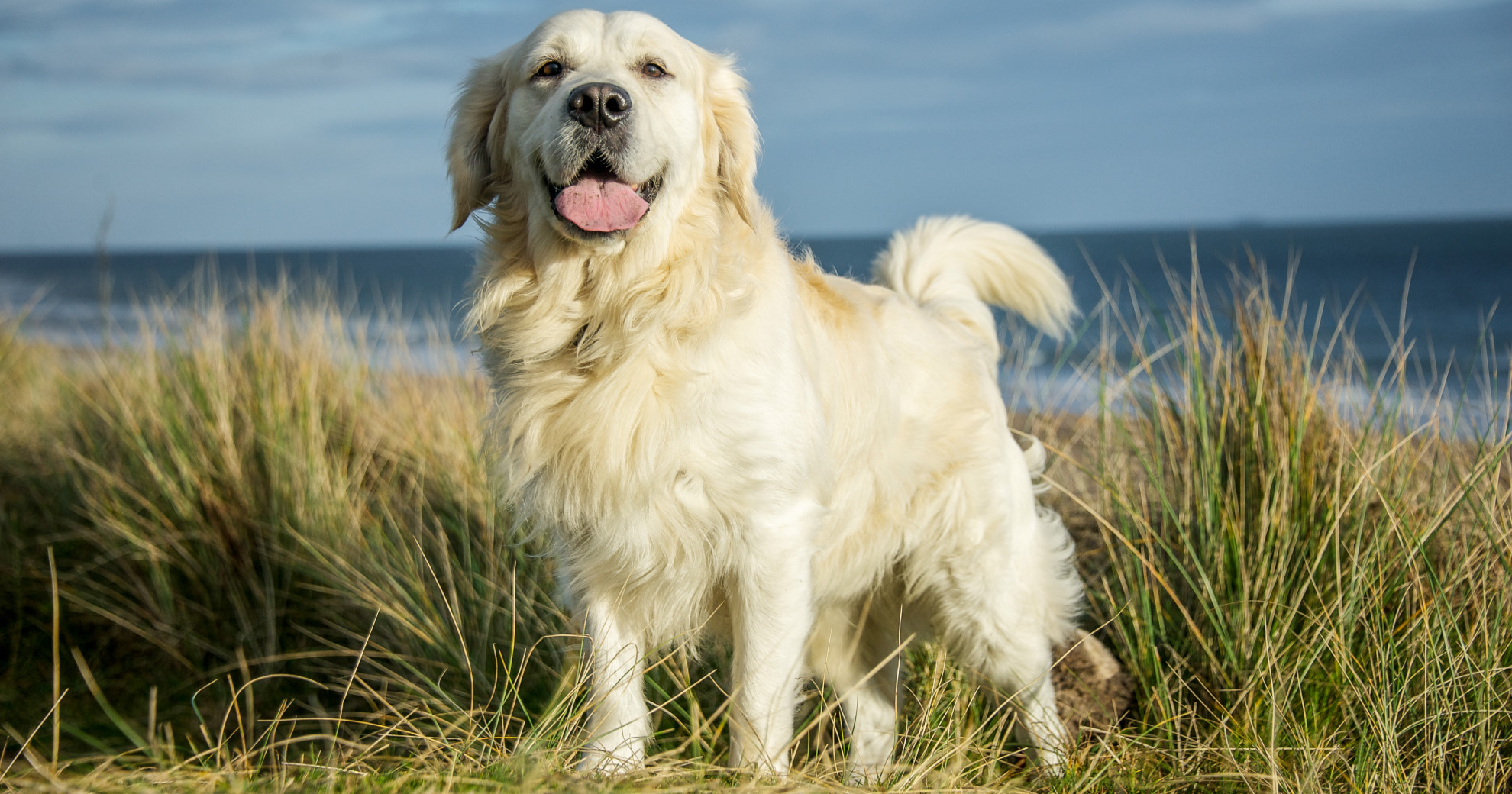
Whether your dog loves chasing tennis balls, joining you on long walks, or simply greeting you with an enthusiastic tail wag, healthy joints are essential for keeping them active and comfortable. But what exactly happens inside a dog’s joints, and why do some dogs develop stiffness or mobility issues as they age?
Understanding Your Dog’s Joints
Joints are the places where two or more bones meet. They are cushioned by a smooth, rubbery tissue called cartilage, which allows the bones to glide smoothly against one another during movement. Surrounding the joint is a capsule filled with synovial fluid—a thick liquid that lubricates the joint and helps reduce friction.
When everything is functioning properly, your dog can move, run, jump, and play comfortably without pain.
What Causes Joint Problems?
As dogs age, the cartilage that cushions their joints can gradually wear down. This can lead to inflammation, discomfort, and a condition known as osteoarthritis. Joint problems can also develop due to genetics, injury, obesity, or excessive strain on the joints over time.
Certain breeds, particularly larger dogs, may be more prone to joint conditions such as hip or elbow dysplasia. However, joint issues can affect dogs of all sizes and ages.
Signs to Watch For
Dogs are often very good at hiding pain, which means early signs of joint discomfort can be easy to miss. Watch for:
If you notice any of these signs, it’s a good idea to consult your veterinarian.
Supporting Healthy Joints
The good news is that there are several ways to help maintain your dog’s joint health:
Maintain a Healthy Weight
Excess body weight places additional strain on joints, increasing wear and tear. Keeping your dog at a healthy weight is one of the most effective ways to support mobility.
Encourage Regular Exercise
Consistent, moderate exercise helps keep muscles strong and joints flexible. Activities should be appropriate for your dog’s age, breed, and fitness level.
Provide a Comfortable Environment
Soft bedding, non-slip flooring, and ramps for older dogs can make everyday movement easier and reduce stress on sore joints.
Discuss Joint Support with Your Veterinarian
Your veterinarian may recommend specific diets, supplements, physiotherapy, or treatments designed to support joint health and improve comfort.
Keeping Tails Wagging
Joint health plays a vital role in your dog’s quality of life. By recognizing the early signs of discomfort and taking proactive steps to support healthy mobility, you can help your four-legged companion stay active, comfortable, and ready for many more adventures by your side.
After all, every wag, walk, and playful zoomie starts with healthy joints!
Related Articles


